Ledger live wallet Is a secure app guide for managing crypto
Ledger live wallet Is the companion software people use to set up a Ledger device, install supported crypto apps, view balances, receive assets, and approve transactions through a hardware wallet. It does not replace self-custody; it gives users an interface while private keys remain protected by the device. The safest approach is to download software only from official sources, verify every address on the device screen, and keep the recovery phrase offline.
What is Ledger live wallet?
Ledger live wallet is commonly used to describe the desktop and mobile app experience connected to Ledger hardware wallets such as Ledger Nano devices and newer secure signers. The app helps a user organize accounts for Bitcoin, Ethereum, stablecoins, tokens, NFTs, and other supported networks. The important distinction is that the app is the dashboard, while the device is the signer that protects private keys and confirms sensitive actions.
Ledger live wallet can show balances, transaction history, portfolio movement, network fees, and available account options. It may also provide routes to buy, sell, swap, stake, or connect to selected services, depending on region, asset support, and the current app version. Those services can involve third parties, so users should read the exact terms and costs before using them.
For a new user, Ledger live wallet is often the first practical introduction to self-custody. Instead of logging in with a bank-style password, the user manages a recovery phrase, device PIN, account addresses, and transaction approvals. That model gives more control, but it also shifts responsibility to the owner. If a recovery phrase is lost, exposed, or entered into a fake site, the app cannot simply reverse the damage.
How does Ledger live wallet work with a hardware wallet?
Ledger live wallet works by communicating with a Ledger device, but the private keys are designed to stay inside the secure hardware environment. When a user wants to receive crypto, the app displays an address and asks the device to verify it. When a user wants to send crypto, the app prepares the transaction, but the device screen must show the critical details before approval.
In practice, Ledger live wallet is most useful when the user treats the device screen as the trusted source. A computer or phone can be compromised by malware, browser extensions, clipboard attacks, or phishing pages. The device has a smaller, purpose-built interface that helps the user confirm the receiving address, destination address, amount, and network before signing. If the app and device do not match, the user should stop.
Ledger live wallet also separates coin apps from accounts. A Bitcoin app, Ethereum app, or other network app may need to be installed on the device so the app can create or access accounts for that blockchain. Removing a coin app from the device usually does not delete funds, because the assets are on the blockchain and the recovery phrase derives the keys. Still, users should confirm official instructions before changing device settings.
How do you set up Ledger live wallet safely?
Ledger live wallet setup should start with a clean download path and a calm environment. The user should avoid sponsored search results, unsolicited links, direct messages, and files sent by strangers. The software should be obtained from the official Ledger source, and the device should be initialized by the owner, not by a reseller or helper who already knows the recovery phrase.
Ledger live wallet setup usually follows a practical sequence: install the app, connect the device, initialize or restore the device, write the recovery phrase on paper or another offline medium, confirm the words on the device, set a PIN, install needed crypto apps, and then add accounts. A small test transaction can help a user understand receiving and sending before larger amounts are involved.
Download the app from the official source and check the device prompt carefully.
Create or restore the wallet only on the hardware device, never in a website form.
Write the recovery phrase offline and store it where fire, theft, and casual access are considered.
Verify receiving addresses on the device screen before sharing or funding them.
Send a small test amount before moving meaningful value.
Keep firmware and app updates deliberate, documented, and verified.
Ledger live wallet can make onboarding feel simple, but the recovery phrase remains the foundation. Anyone who gets that phrase can potentially access the assets without the device. A real support agent, exchange, app, wallet, or giveaway does not need the phrase. Users should treat any prompt for the recovery words as a red flag and verify details with official sources before proceeding.
What can you use Ledger live wallet for day to day?
Ledger live wallet is used for everyday account management, especially by people who want an interface without leaving assets on an exchange. A user can monitor balances, create additional accounts, receive funds, send funds, and review transaction history. For supported assets, the app may also show staking options, token balances, or NFT views, though availability can change by network and region.
Ledger live wallet can also be part of a broader workflow with decentralized applications. A user may use the device as a signer while interacting with Web3 tools, smart contracts, or browser-based wallets. This does not remove smart contract risk. It simply means the hardware device is used to approve the signature or transaction, so the user still needs to understand what is being signed.
Ledger live wallet is especially helpful when a user wants consistent account labeling and a clear portfolio view. The app can reduce the need to check several block explorers manually. Even so, balances in any wallet app are representations of blockchain data. During network congestion, app outages, indexing delays, or unsupported token issues, the blockchain record may be more important than what a single interface shows.
Is Ledger live wallet safe?
Ledger live wallet can be safe when paired with disciplined self-custody habits, but no wallet interface removes all risk. The strongest protection comes from keeping private keys on the hardware device, protecting the recovery phrase, confirming transaction details on the device screen, and avoiding fake support channels. The app is one layer in a system that also includes user behavior, device integrity, and network risk.
Ledger live wallet users should understand the difference between device security and transaction judgment. A hardware wallet can help prevent private key extraction, yet it cannot guarantee that a token, website, swap, staking pool, bridge, or smart contract is safe. If a user signs a malicious approval, sends to the wrong address, or approves an unexpected contract call, self-custody usually means the transaction cannot be undone.
The protocol and account model also matter. Bitcoin transactions, Ethereum token approvals, staking withdrawals, NFT transfers, and layer 2 activity each have different details to verify. Ledger live wallet may simplify the view, but the user should still check asset, network, amount, address, and fee. Sending funds on the wrong network can create recovery problems, and some mistakes may be permanent.
What are the main benefits of Ledger live wallet?
Ledger live wallet gives users a single place to manage many supported assets while relying on hardware signing for sensitive actions. That combination is the main appeal: usability on the computer or phone, with private key protection anchored in the device. It can help users move beyond exchange custody without forcing them to use command-line tools or raw blockchain interfaces.
Ledger live wallet also helps normalize good verification habits. Receiving addresses can be checked on the device, outgoing transactions can be reviewed before signing, and accounts can be organized by network or purpose. For people who hold assets over longer periods, this structure can make the difference between scattered notes and a repeatable custody process.
Another benefit is portability. Ledger live wallet can be installed on a supported desktop or mobile device, while the same recovery phrase can restore access through compatible wallet standards if the hardware is lost or replaced. Restoration must be done carefully and only through trusted tools. Users should verify official compatibility details before relying on any alternate recovery path.
What risks should Ledger live wallet users avoid?
Ledger live wallet users face several common risks that do not come from the app alone. Phishing is the largest category: fake download pages, fake updates, fake support agents, fake airdrops, and fake wallet connection prompts all try to trick users into revealing a recovery phrase or signing a bad transaction. The simplest rule is that the recovery phrase stays offline and never goes into a website, chat, email, or screenshot.
Ledger live wallet users should also avoid rushing advanced features. A passphrase, sometimes described as an additional wallet phrase, can create separate accounts derived from the recovery phrase plus extra secret text. That can be useful for experienced users, but it also raises the chance of self-lockout. A typo, forgotten passphrase, or undocumented setup can make funds difficult or impossible to access.
For readers exploring that topic, a deeper can help explain the difference between a recovery phrase, PIN, and optional passphrase. Ledger live wallet beginners should not add complexity until they can restore a test wallet confidently. Testing with small amounts is better than discovering a backup mistake after meaningful funds are involved.
Ledger live wallet users should be cautious with approvals and blind signing. Some decentralized applications ask for permissions that are broader than expected, especially token approvals or contract interactions that are hard to read. If a transaction summary is unclear, users should pause, research the contract, reduce permissions where possible, or avoid signing. Security is partly technical and partly procedural.
How does Ledger live wallet compare with exchange wallets and software wallets?
Ledger live wallet is different from an exchange account because the user controls the keys through the hardware wallet. On an exchange, the platform generally holds custody and the user logs in to an account. That can be convenient for trading and recovery support, but it introduces platform risk, withdrawal limits, account freezes, and dependence on the exchange security model.
Ledger live wallet is also different from a pure software wallet. A software wallet can be fast and flexible, especially for frequent decentralized application use, but its keys often live on the phone, browser, or computer. If that environment is compromised, the wallet may be exposed. With Ledger live wallet and a hardware signer, transaction approval is separated from the general-purpose device.
Wallet type
Key control
Best fit
Main caution
Ledger live wallet with hardware device
User controls keys through device
Longer-term self-custody and verified signing
Recovery phrase and signing discipline are critical
Exchange wallet
Platform controls custody
Trading, fiat ramps, and convenience
Platform risk and withdrawal dependence
Software wallet
User controls keys on phone or computer
Fast Web3 access and small active balances
Device malware and browser risk
The right setup depends on use case. Some people keep small spending or trading balances in hot wallets and larger holdings behind hardware signing. Ledger live wallet can be part of that layered approach, but users should not treat any arrangement as guaranteed protection. Crypto assets are volatile, transactions can be irreversible, and custody choices carry tradeoffs.
How should beginners build a simple Ledger live wallet routine?
Ledger live wallet beginners should build a routine that is boring, repeatable, and documented without exposing secrets. A good routine starts with checking the source of the app, connecting the device, unlocking with the PIN privately, opening only the needed account, and confirming details on the device screen. That rhythm matters more than chasing every new feature.
Ledger live wallet users can also separate purposes. One account may be used for long-term storage, another for testing, and another for small decentralized application interactions. Names and notes can help, but they should not reveal sensitive recovery details. For broader onboarding, an internal may help users compare account organization, backup storage, and transaction testing.
In practice, the best beginner habit is to rehearse recovery before stress arrives. That does not mean exposing a real recovery phrase online. It means learning the official restore process, understanding what the PIN does, knowing where backups are stored, and using tiny test transactions to confirm that the user understands receiving, sending, and network fees. Ledger live wallet becomes safer when the owner knows the workflow before assets are at risk.
What should you verify before relying on Ledger live wallet?
Ledger live wallet details can change as software, firmware, asset support, and regional services evolve. Before relying on a feature, users should verify the latest official information about supported coins, device compatibility, firmware updates, fees, staking terms, swap providers, and security notices. This is especially important when a page, video, or forum post is older than the current app version.
Ledger live wallet should be treated as a serious financial tool, not just another phone app. Users should avoid making decisions based on hype, pressure, giveaways, or urgent messages. They should also remember that crypto prices can move sharply, network fees can rise, and third-party services can change availability. This page is educational and does not provide financial, legal, tax, or investment advice.
Ledger live wallet is most valuable when it supports a simple principle: the interface helps you see and prepare actions, while the hardware device helps you verify and sign them. A careful user combines both with offline backups, small tests, and skepticism toward unexpected prompts. That balance of convenience and caution is what makes self-custody workable for many crypto holders.
Reader rating:
4.7 / 5
based on 458 ratings
Questions and Answers
What is Ledger live wallet used for?
Ledger live wallet is used to manage crypto accounts connected to a Ledger hardware wallet. It lets users view balances, receive assets, prepare transactions, install supported device apps, and access selected services such as staking or swaps where available. The app is the interface, while the hardware device protects private keys and signs transactions after the user verifies details on the device screen.
Does Ledger live wallet store my private keys?
Ledger live wallet is designed to work with a hardware device so private keys remain protected by the device rather than being stored in the app. The app can display accounts and prepare transactions, but signing should happen on the hardware wallet. Users still need to protect the recovery phrase, because anyone who obtains it may be able to restore and control the associated assets.
How do I set up Ledger live wallet safely?
Set up Ledger live wallet by downloading it only from the official source, initializing the hardware wallet yourself, writing the recovery phrase offline, setting a private PIN, installing needed crypto apps, and adding accounts. Before transferring meaningful value, send a small test transaction and verify the receiving address on the device screen. Never type the recovery phrase into a website, chat, email, or support form.
Is Ledger live wallet safer than a software wallet?
Ledger live wallet with a hardware device can reduce private key exposure compared with a software wallet that stores keys on a phone, browser, or computer. However, it does not remove every risk. Users can still sign malicious approvals, send to the wrong address, use fake apps, or lose their recovery phrase. Safety depends on verified downloads, careful signing, and strong backup habits.
Can I use Ledger live wallet without a Ledger device?
Ledger live wallet is primarily built to work with Ledger hardware wallets. Some screens or portfolio features may be visible without a connected device, but the core self-custody workflow depends on hardware signing. If you intend to secure assets with Ledger live wallet, confirm current device compatibility and setup instructions through official sources before transferring funds.
What happens if I lose the device used with Ledger live wallet?
If the hardware device is lost, funds are not stored inside the physical device itself; they are recorded on blockchains and controlled by keys derived from the recovery phrase. A user can usually restore access on a compatible replacement device using the recovery phrase, and any optional passphrase if one was used. If the recovery phrase is missing or incorrect, recovery may not be possible.
What is the biggest mistake to avoid with Ledger live wallet?
The biggest mistake is exposing the recovery phrase or signing a transaction without understanding it. Ledger live wallet users should never enter recovery words into a website or share them with support. They should also compare transaction details on the hardware device, avoid urgent links, and verify official information before updates, swaps, staking actions, or decentralized application approvals.
LinkedIn and 3rd parties use essential and non-essential cookies to provide, secure, analyze and improve our Services, and to show you relevant ads (including
professional and job ads
) on and off LinkedIn. Learn more in our
Cookie Policy
.
Select Accept to consent or Reject to decline non-essential cookies for this use. You can update your choices at any time in your
settings
.
Ledger
Op3n is the recognition of the heritage of the company and a stepping stone to the future.
Ledger was born from Bitcoin, from the idea that digital property rights require no permission. We’re now extending that legacy to everything of value online.
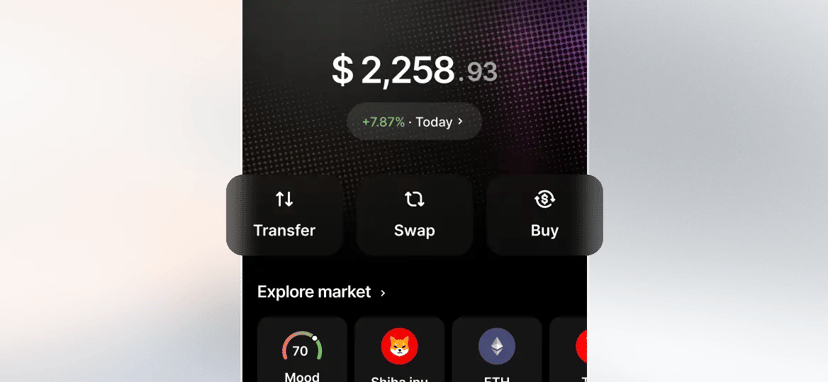
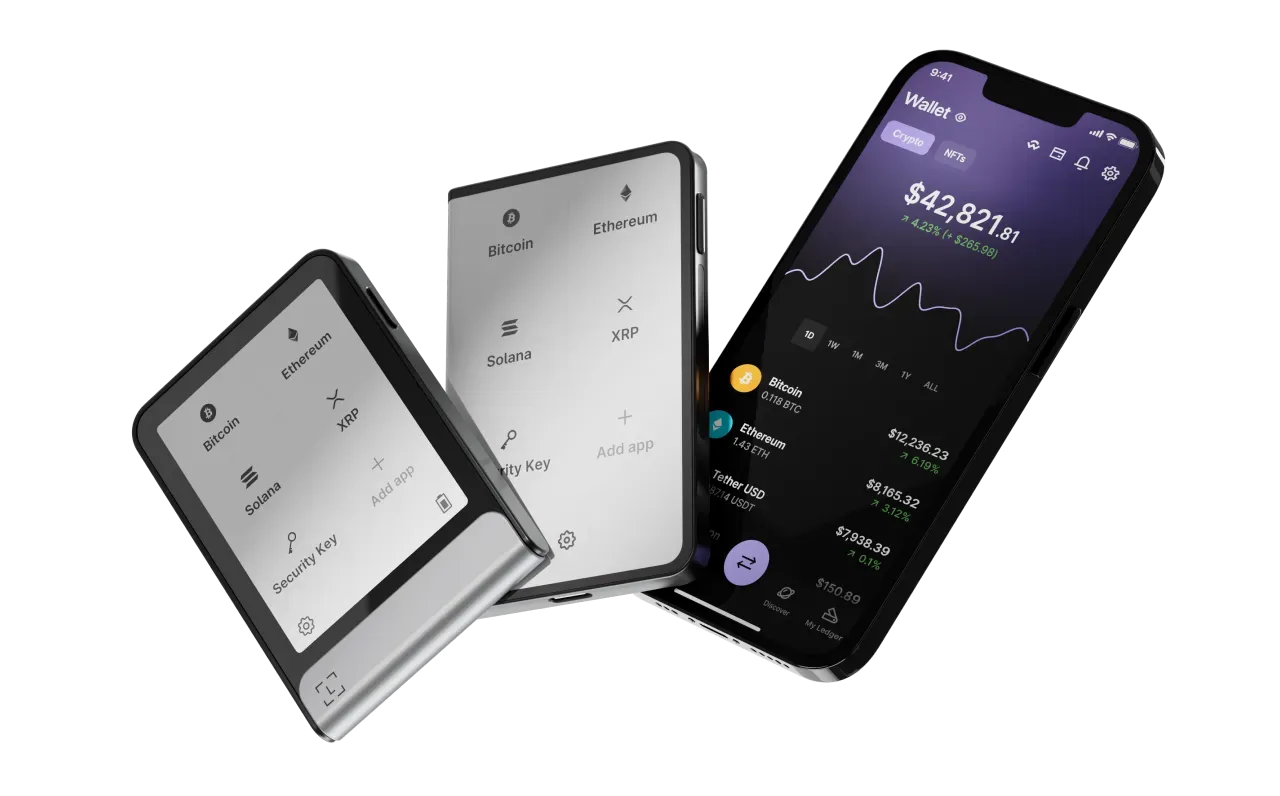
Your “signers” (formerly “hardware wallets”) are bound to protect your financial transactions, but also your digital identity and digital self. “Ledger Wallet” (formerly “Ledger Live”) is your trusted interface — the place to manage your value, connect to decentralized applications, and shape your digital future.
Ledger has defined the best form of security to manage your crypto. And usage has evolved a lot. In this new world of applications, we unveiled the new Ledger Nano Gen5, our revamped crypto app Ledger Wallet, and Ledger Multisig.
This marks a turning point, not just for Ledger, but for the future of digital ownership itself. Today, self-custody goes much beyond crypto. It’s about owning your digital private property.
Uncompromising security is the foundation of Freedom.
Security is and will always be at the core of everything we do. Since our inception in 2014, we’ve sold 8 million devices in 165+ countries, with zero hacks.
As AI continues to rise, the line between what’s real and what’s not blurs. That’s why crypto and AI go hand in hand: AI creates data abundance when crypto brings scarcity, authenticity and ownership. AI’s digital abundance will require you to cryptographically verify your identity, and Ledger’s secure devices stand at the crossroads of these revolutions.
Our Ledger Donjon team attacks our systems before anyone else can to constantly reinforce our security standards, and we’re already building quantum-resistant products to stay ahead of tomorrow’s threats.
It was a true honor to be surrounded with partners and friends and to welcome very special guests such as
Jean-Noël Barrot
, Bruce Bowen,
Matt Giteau
, Drew Mitchell. This is a testimony of how diverse Ledger is. This also serves as a strong recognition of our team’s commitment, to which I would like to pay tribute. Special thanks to ExCom and all great teams who made this amazing event possible.
Ledger now builds for the next billion users — from Bitcoin believers to digital citizens everywhere.
The market is ready.
We are ready.
Freedom. Clarity. Security. For everyone.
My Ledger Nano X just sent 15,012 #XRP last October and nobody even knew I had it or owned any crypto. Live in the middle of nowhere and all info separate in safes. Yet transferred out and never even got an email. Hardware and seed phase still in locked safes.
Ledger
is a joke. Nobody helped just blamed me.
Love how you frame this as a defining moment for digital ownership, not just crypto. The blend of security, identity, and AI feels like a powerful shift.
How interesting
Pascal Gauthier
. Ledger stepping into the intersection of AI, identity, and security marks the next logical phase of digital ownership. Looking forward to see how that scales beyond Web3.
Really proud moment for the whole team