Ledger live wallet app Is a setup and security guide
Ledger live wallet app Is the software interface many Ledger device users rely on to manage crypto accounts, install apps, check balances, and approve transactions with a hardware wallet. It does not replace the secure device or the recovery phrase; it helps you view assets, prepare actions, and verify details before signing. Used carefully, Ledger live wallet app can make self-custody easier, but users must still confirm information with official sources and protect their recovery phrase offline.
Ledger live wallet app sits in the middle of a larger self-custody workflow. The app shows accounts and transactions on a computer or phone, while the Ledger hardware device protects private keys and signs approved actions. That split is important: the screen you use every day can be convenient, but the final authorization should happen on the device you control.
What is Ledger live wallet app?
Ledger live wallet app is a wallet management application for people who use Ledger hardware wallets to hold and interact with digital assets. It is commonly used for adding crypto accounts, installing device apps, viewing balances, sending and receiving supported assets, and connecting to certain Web3 services. The app is not a bank account, exchange account, or guarantee of asset value. It is a tool for managing self-custody.
Ledger live wallet app helps translate blockchain activity into a more readable interface. Instead of manually checking block explorers for every account, a user can open the app, choose an account, and review recent history. The app can also prepare a transaction, but the private key should remain inside the hardware wallet. That separation is the central idea behind using a hardware signer with wallet software.
For a new user, Ledger live wallet app may feel like the main wallet because it is where balances appear. In practice, the assets are recorded on their respective blockchains, and access depends on the private keys derived from the recovery phrase. If the app is removed, the funds are not automatically gone. If the recovery phrase is lost or exposed, the risk is much more serious.
How does Ledger live wallet app work with a hardware wallet?
Ledger live wallet app works by coordinating between your device, blockchain networks, and the accounts you choose to manage. When you create or restore a Ledger device, the recovery phrase is used to derive private keys. Those keys should stay protected by the device. The app asks the device for public account information and uses that information to display balances and prepare transactions.
Ledger live wallet app can show receiving addresses, but the safer habit is to verify the receiving address on the hardware wallet screen before sharing it. Malware or browser extensions can sometimes alter what appears on a computer clipboard. Device confirmation gives the user a second channel for checking that the address belongs to the intended account.
Ledger live wallet app also helps install blockchain-specific apps on supported Ledger devices. A Bitcoin account, Ethereum account, or other network account may require a matching device app before signing transactions. This can surprise beginners, but it is a security and compatibility model: the device must understand enough about the transaction to show meaningful details before the user approves it.
In a normal send workflow, Ledger live wallet app builds an unsigned transaction, sends the details to the hardware wallet, and waits for confirmation. The hardware wallet displays key information such as the destination address, amount, and network fee when supported. After approval, the signed transaction goes back through the app and is broadcast to the relevant network.
How do you get started with Ledger live wallet app?
Ledger live wallet app should be downloaded and verified through official channels. Users should be cautious with search ads, cloned websites, fake support agents, and files shared through messages. A safe setup starts before the app opens: confirm the source, inspect the device packaging, update carefully, and never type a recovery phrase into a website, phone, chat, screenshot tool, or computer form.
Ledger live wallet app setup usually follows a simple path: install the app, connect the Ledger device, initialize or restore the device, confirm firmware status, install the needed coin apps, and add accounts. The exact screens can change over time, so users should verify current instructions with official Ledger support material and inside the app itself.
Install Ledger live wallet app from the official source for your operating system.
Set up the hardware wallet and write the recovery phrase on paper or metal.
Choose a strong PIN and keep it separate from the recovery phrase.
Install the device apps needed for the assets you plan to manage.
Add accounts in the app and verify receive addresses on the device.
Test with a small transaction before moving larger amounts.
Ledger live wallet app can feel straightforward after the first setup, but rushing is one of the biggest mistakes. A small test transaction gives you a chance to confirm network selection, address format, fees, and recovery habits. Crypto transfers can be irreversible, and the app cannot undo a transaction that has been validly signed and confirmed on a blockchain.
What can Ledger live wallet app be used for every day?
Ledger live wallet app is most useful for routine account management. Users can check balances, review incoming and outgoing transfers, generate receive addresses, send crypto, update device apps, and organize accounts by asset or purpose. Some users also use it to track long-term holdings while keeping trading activity on separate platforms.
Ledger live wallet app may also support features such as staking, swaps, buying services, or access to decentralized applications depending on region, asset, provider, and current product availability. These features involve additional risks and third-party terms. The app interface may make them easier to reach, but users should still review fees, smart contract risk, provider identity, and tax implications independently.
In practice, Ledger live wallet app is strongest when treated as a control panel, not as a shortcut around due diligence. When a user receives an unfamiliar token or NFT, they should avoid interacting with it until they understand what it is. Unknown assets can be used to lure users toward malicious websites or confusing approval flows.
Ledger live wallet app also supports a read-only mindset for some workflows. Public account information can show balances without exposing private keys, but public keys and extended public keys can still affect privacy. Sharing them can reveal transaction history or account relationships, so users should treat public wallet data with care even when it cannot directly spend funds.
Is Ledger live wallet app safe?
Ledger live wallet app can be part of a safer crypto setup because private keys are designed to remain on the hardware wallet, not inside the app. However, no app can remove all risk. Users still face phishing, social engineering, malicious approvals, fake updates, compromised computers, address replacement malware, poor recovery phrase storage, and mistakes caused by using the wrong network.
Ledger live wallet app safety depends on habits as much as technology. The recovery phrase should be stored offline in a place protected from theft, fire, water, and casual discovery. It should not be photographed, uploaded, emailed, pasted into password managers without careful threat modeling, or provided to anyone claiming to be support. Legitimate support should not need the recovery phrase.
Ledger live wallet app users should learn the difference between signing a simple transfer and approving a smart contract permission. Some blockchain actions allow a contract to move tokens later. Before approving token allowances, staking operations, NFT interactions, or DeFi transactions, users should check the application, contract, permissions, and expected result. A hardware wallet protects keys, but it cannot make every signed message safe.
Security habits that matter most
Ledger live wallet app security improves when users slow down at confirmation points. Read the device screen, check the address, confirm the amount, compare the network fee, and make sure the destination is expected. If anything looks different from what the app shows, stop and investigate. A canceled transaction costs less than a mistaken transfer.
Ledger live wallet app should also be kept updated, but updates should be approached carefully. Confirm update prompts through the official app and official help resources. If a website, pop-up, email, or direct message tells you to enter a recovery phrase to update, synchronize, unlock, or recover the wallet, treat that as a serious warning sign.
What are the fees and costs of using Ledger live wallet app?
Ledger live wallet app itself may be free to install, but using blockchain networks is not free. Sending Bitcoin, Ethereum, stablecoins, NFTs, or other assets normally requires network fees. These fees are paid to the network or validators and can change with congestion. The app may estimate fees, but final costs depend on the chain, transaction type, and timing.
Ledger live wallet app may also surface services from third-party providers for buying, selling, swapping, staking, or other actions. Those services can include spreads, commissions, validator fees, provider fees, withdrawal fees, or minimum amounts. Users should compare the total cost and read terms before proceeding. Convenience can be valuable, but it should not hide the economics of a transaction.
For long-term storage, Ledger live wallet app costs are often more about process than software: buying a hardware wallet, storing backups securely, replacing a damaged device, and spending time learning safe workflows. These are real costs, but they may be reasonable for users who want direct control over their assets. They are not a guarantee against market loss.
How does Ledger live wallet app compare with other wallet options?
Ledger live wallet app differs from a hot wallet because it is designed to work with a separate signing device. A hot wallet stores keys on a phone, browser, or computer, which can be convenient but exposes keys to a broader attack surface. A hardware-wallet workflow asks the user to approve transactions on a physical device before funds move.
Ledger live wallet app also differs from an exchange account. On an exchange, the platform may custody assets and manage keys on the user’s behalf. That can simplify passwords, recovery, trading, and support, but it introduces counterparty risk and withdrawal limits. With self-custody, the user gains more control and more responsibility. Losing the recovery phrase or signing a malicious transaction can have permanent consequences.
Some users combine Ledger live wallet app with other compatible wallet interfaces for specific networks or decentralized applications. That can expand access, but it also adds complexity. When using another interface with a Ledger device, the same rule applies: verify critical details on the hardware wallet and avoid signing messages you do not understand. Interface choice does not change the need for careful confirmation.
Wallet approach
Main advantage
Main risk
Ledger live wallet app with hardware wallet
Private keys stay on the device during normal use
User must protect recovery phrase and verify actions
Hot wallet app
Fast access from phone or browser
Keys may be exposed if the device or browser is compromised
Exchange account
Simple trading and account recovery options
Platform custody, policy, withdrawal, and counterparty risks
What should beginners know before sending crypto?
Ledger live wallet app beginners should understand that blockchains are exacting systems. Sending an asset on the wrong network, using an incompatible address, or approving the wrong contract can be costly. The app can guide the workflow, but it cannot guarantee that a chosen destination is legitimate or that an external service will behave as expected.
Ledger live wallet app users should test addresses with small amounts when learning a new asset or network. They should also label accounts clearly, separate long-term storage from active experimentation, and keep a record of which networks they use. A calm process matters more than speed, especially when managing assets across Bitcoin, Ethereum, Solana, Polygon, or other ecosystems.
For more background on device-based custody, a reader may want to review a related guide to . Users comparing account recovery habits can also read about . Those topics help explain why Ledger live wallet app is only one part of a broader security routine.
When is Ledger live wallet app the right fit?
Ledger live wallet app is a strong fit for users who want a mainstream hardware-wallet interface, prefer direct control over their crypto accounts, and are willing to learn safe custody habits. It is especially useful for people who want portfolio visibility and transaction signing in one place while keeping private keys off the everyday computer or phone.
Ledger live wallet app may not be the best fit for every situation. A trader who needs rapid order execution may use an exchange for active trading while keeping long-term holdings in self-custody. A developer or DeFi user may need specialized interfaces for certain protocols. A beginner who cannot securely store a recovery phrase should pause before moving significant funds into self-custody.
Ledger live wallet app works best when paired with patience. Verify downloads, verify receive addresses, verify transaction details, and verify current support for each asset. Crypto products, network fees, firmware versions, and app features change over time, so current official information matters. This guide is educational and should not be treated as financial, legal, tax, or security advice for a specific person.
Ledger live wallet app ultimately gives users a practical way to manage digital assets with a hardware wallet, but the responsibility remains with the user. The strongest setup is not just an app or a device; it is a repeatable workflow that protects the recovery phrase, limits unnecessary risk, confirms every important detail, and treats each signature as a real authorization.
Reader rating:
4.7 / 5
based on 458 ratings
Questions and Answers
What is Ledger live wallet app used for?
Ledger live wallet app is used to manage crypto accounts connected to a Ledger hardware wallet. It can show balances, generate receive addresses, prepare transactions, install supported device apps, and help users review account activity. The app is an interface, while the private keys should remain protected by the hardware wallet and recovery phrase.
Is Ledger live wallet app the same as a hardware wallet?
No. Ledger live wallet app is software, and the hardware wallet is the physical signing device. The app prepares and displays actions, but the device is where transaction approval should happen. This distinction matters because deleting the app does not erase blockchain assets, while losing or exposing the recovery phrase can put funds at serious risk.
Can Ledger live wallet app recover lost crypto?
Ledger live wallet app cannot reverse confirmed blockchain transactions or recover assets sent to the wrong address. If a device is lost or damaged, the recovery phrase can restore access on a compatible wallet setup. If the recovery phrase is lost, stolen, or typed into a malicious site, recovery options may be limited or impossible.
Does Ledger live wallet app charge fees?
The app may be free to install, but blockchain actions usually require network fees. Third-party services available through the app, such as buying, swapping, or staking options, may include additional costs, spreads, commissions, or provider terms. Users should review the complete transaction details and verify current fee information before approving any action.
How do I use Ledger live wallet app safely?
Use Ledger live wallet app only from official sources, keep the app and device firmware current, and verify important details on the hardware wallet screen. Never share or type the recovery phrase into any website, message, form, or support chat. Test unfamiliar workflows with small amounts and avoid signing smart contract approvals you do not understand.
Can Ledger live wallet app connect to decentralized applications?
Ledger live wallet app may support certain Web3 and decentralized application workflows, and users can sometimes connect a Ledger device through other compatible interfaces. Availability depends on the network, app version, region, and service. Before connecting, review the site, contract permissions, network, and transaction details because hardware signing does not make every dapp interaction safe.
What happens if I uninstall Ledger live wallet app?
Uninstalling Ledger live wallet app does not automatically move or destroy crypto assets because balances are recorded on blockchains. You can generally reinstall the app and add accounts again with the same Ledger device. The critical backup is the recovery phrase, which should be stored offline and protected from loss, theft, and unauthorized access.
LinkedIn and 3rd parties use essential and non-essential cookies to provide, secure, analyze and improve our Services, and to show you relevant ads (including
professional and job ads
) on and off LinkedIn. Learn more in our
Cookie Policy
.
Select Accept to consent or Reject to decline non-essential cookies for this use. You can update your choices at any time in your
settings
.
Ledger
Op3n is the recognition of the heritage of the company and a stepping stone to the future.
Ledger was born from Bitcoin, from the idea that digital property rights require no permission. We’re now extending that legacy to everything of value online.
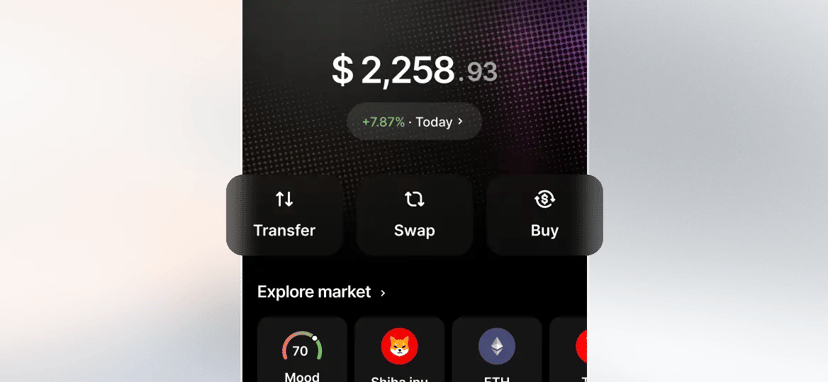
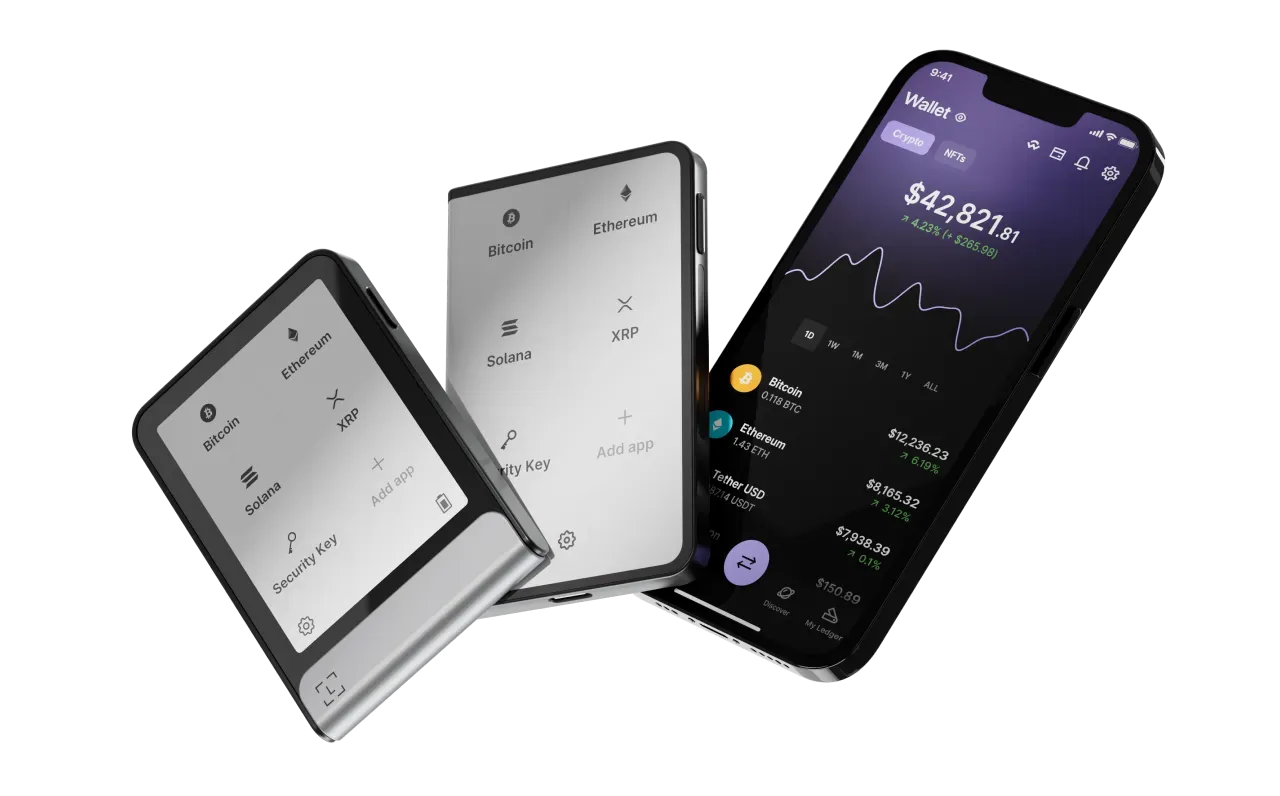
Your “signers” (formerly “hardware wallets”) are bound to protect your financial transactions, but also your digital identity and digital self. “Ledger Wallet” (formerly “Ledger Live”) is your trusted interface — the place to manage your value, connect to decentralized applications, and shape your digital future.
Ledger has defined the best form of security to manage your crypto. And usage has evolved a lot. In this new world of applications, we unveiled the new Ledger Nano Gen5, our revamped crypto app Ledger Wallet, and Ledger Multisig.
This marks a turning point, not just for Ledger, but for the future of digital ownership itself. Today, self-custody goes much beyond crypto. It’s about owning your digital private property.
Uncompromising security is the foundation of Freedom.
Security is and will always be at the core of everything we do. Since our inception in 2014, we’ve sold 8 million devices in 165+ countries, with zero hacks.
As AI continues to rise, the line between what’s real and what’s not blurs. That’s why crypto and AI go hand in hand: AI creates data abundance when crypto brings scarcity, authenticity and ownership. AI’s digital abundance will require you to cryptographically verify your identity, and Ledger’s secure devices stand at the crossroads of these revolutions.
Our Ledger Donjon team attacks our systems before anyone else can to constantly reinforce our security standards, and we’re already building quantum-resistant products to stay ahead of tomorrow’s threats.
It was a true honor to be surrounded with partners and friends and to welcome very special guests such as
Jean-Noël Barrot
, Bruce Bowen,
Matt Giteau
, Drew Mitchell. This is a testimony of how diverse Ledger is. This also serves as a strong recognition of our team’s commitment, to which I would like to pay tribute. Special thanks to ExCom and all great teams who made this amazing event possible.
Ledger now builds for the next billion users — from Bitcoin believers to digital citizens everywhere.
The market is ready.
We are ready.
Freedom. Clarity. Security. For everyone.
My Ledger Nano X just sent 15,012 #XRP last October and nobody even knew I had it or owned any crypto. Live in the middle of nowhere and all info separate in safes. Yet transferred out and never even got an email. Hardware and seed phase still in locked safes.
Ledger
is a joke. Nobody helped just blamed me.
Love how you frame this as a defining moment for digital ownership, not just crypto. The blend of security, identity, and AI feels like a powerful shift.
How interesting
Pascal Gauthier
. Ledger stepping into the intersection of AI, identity, and security marks the next logical phase of digital ownership. Looking forward to see how that scales beyond Web3.
Really proud moment for the whole team